Trailer Towing Weights & Safety Chains in Tasmania: What You Need to Know
Meta Title:
Trailer Towing Weights & Safety Chains Tasmania | King Trailers Hobart
Meta Description:
Learn how to tow safely in Tasmania with correct trailer weights and safety chains. King Trailers explains towing laws, tips, and trailer safety for local conditions.
Understanding Trailer Towing in Tasmania
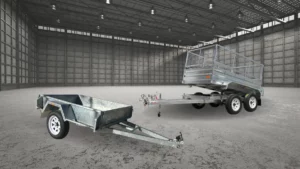
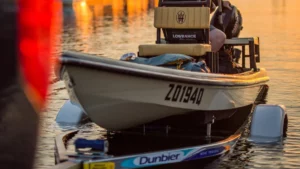
Towing a trailer in Tasmania can be a simple task — as long as you understand your vehicle’s limits, follow local regulations, and take the right safety precautions. Whether you’re hauling a box trailer from King Trailers, towing your Dunbier or Mackay boat trailer to the coast, or setting off with your Jayco caravan for a weekend in Launceston, safe towing starts with knowing your trailer weights and using the right safety chains.
Tasmania’s conditions — from Hobart’s hilly streets to Devonport’s coastal highways and the East Coast’s salt-laden air — mean your towing setup needs to be both strong and compliant.
What Are Trailer Towing Weights?
Towing weights refer to how much load your trailer and vehicle can legally and safely carry or pull. In Tasmania (and across Australia), three key weight limits apply:
- ATM (Aggregate Trailer Mass) – The total weight of your trailer when fully loaded and not connected to the tow vehicle.
- GTM (Gross Trailer Mass) – The weight of your loaded trailer when attached to the vehicle.
- Towing Capacity – The maximum weight your vehicle can tow, as specified by the manufacturer.
Every trailer sold by King Trailers Hobart lists its ATM and GTM ratings on the compliance plate. Before you load up your trailer, always check these figures against your vehicle’s towing capacity — this ensures you stay within Tasmania’s road safety laws and maintain control on hills and curves.
Tasmanian Towing Weight Rules
According to Transport Tasmania, trailers with a Gross Trailer Mass (GTM) up to 750kg do not require brakes. However, anything heavier must be fitted with braking systems:
- 750kg–2000kg: Must have at least one axle braked, typically using override or mechanical brakes.
- 2000kg–4500kg: Must have electric or electric/hydraulic brakes that can be operated from the driver’s seat.
If you’re towing a large boat on a Dunbier or Mackay trailer, or a Jayco caravan, you’ll almost certainly need a braked system. Tasmania’s steep and winding roads make braking performance crucial for safety.
Safety Chains: The Unsung Hero of Towing
Safety chains are legally required in Tasmania and play a vital role if your trailer disconnects from the tow vehicle. They prevent the trailer from completely detaching and causing an accident.
Here’s what local laws require:
- Trailers up to 2500kg ATM: Must have at least one safety chain.
- Trailers 2500kg–3500kg ATM: Must have two safety chains, each rated to the trailer’s load capacity.
- Chains must comply with Australian Standard AS 4177.4 and be securely connected using a rated D-shackleor similar fitting.
Always cross the chains under the drawbar when connecting — this creates a cradle that can catch the coupling if it becomes loose, preventing it from hitting the ground.
Practical Tips for Safe Towing in Tasmanian Conditions
Tasmania’s unique environment calls for a few extra precautions:
- Watch Your Load Balance:
Keep about 60% of your load weight over the axle and ensure even side-to-side balance. Unbalanced loads can cause dangerous sway on highways between Hobart and Launceston. - Drive for the Conditions:
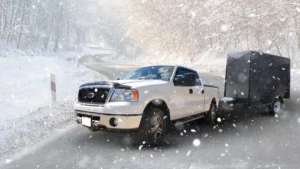
Wet and windy weather on Tasmania’s East Coast or through the Midlands can affect stability. Always reduce your speed, increase following distance, and avoid sudden braking. - Check Tyres and Bearings Regularly:
Temperature changes and moisture can wear bearings and tyres faster. King Trailers recommends inspecting both before every long trip. - Maintain Visibility:
Ensure your trailer lights are bright and visible, especially when driving through fog or rain. Corrosion in electrical connections is common in coastal areas — regular checks prevent issues. - Use the Right Tow Vehicle:
Always match your trailer’s weight to your vehicle’s rated towing capacity. If you’re unsure, our team at King Trailers Hobart can help you select the right setup for your load and travel plans.
What Happens if You Exceed Legal Towing Limits?
Overloading your trailer is not just unsafe — it’s illegal. Tasmanian Police can issue fines, defect notices, or even prohibit your vehicle from being driven until compliant. Beyond penalties, exceeding weight limits significantly increases the risk of sway, brake failure, and tyre blowouts.
Choosing Quality for Safety
Whether you’re buying a King box trailer, a Dunbier boat trailer, or a Jayco caravan, always ensure the compliance plate lists the ATM, GTM, and VIN clearly. Quality Australian-made trailers are built to handle Tasmanian terrain and weather far better than cheaper imports, especially in coastal and rural areas where rust and rough roads are common.
If you’re unsure about your trailer’s towing limits, or you’d like professional advice on safety chains and braking systems, visit King Trailers in Hobart or call our friendly team today. We’ll help you choose the right trailer and setup to tow safely across Tasmania — from Devonport to Dover.
Frequently Asked Questions: Trailer Towing Weights & Safety Chains in Tasmania
- Do I need brakes on my trailer in Tasmania?
Yes. Trailers over 750kg GTM must have brakes. Light box trailers usually don’t need them, but heavier boat and caravan trailers do. - Are safety chains required on all trailers?
Yes. All trailers in Tasmania must have safety chains fitted that meet Australian Standard AS 4177.4. - How do I know my trailer’s towing weight?
Check the compliance plate for the ATM and GTM. Compare those figures with your vehicle’s towing capacity in the owner’s manual. - Can I use a normal D-shackle for my safety chain?
You must use a rated D-shackle or similar connector that matches the load rating of the chain. - What’s the penalty for towing overweight in Tasmania?
You could face fines, defect notices, or suspension of registration if caught towing a trailer beyond your legal capacity.